33 Blair Park Rd #101
Williston, VT 05495

What Is the Best Eye Drop for Glaucoma Disease?
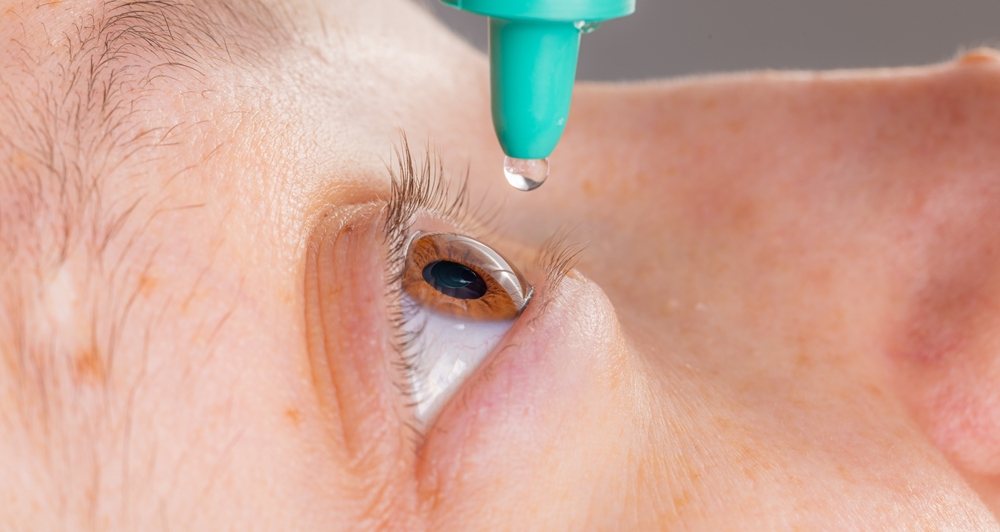
When patients ask about the best eye drop for glaucoma disease, the honest answer is that it depends on the type of glaucoma, the eye pressure we are trying to lower, your overall health, and how well you tolerate medication. Glaucoma drops are prescribed to lower intraocular pressure, which helps protect the optic nerve from further damage. In many cases, the best drop is the one that controls pressure effectively and is realistic for long-term daily use. For many patients with open-angle glaucoma, prostaglandin analog eye drops are commonly the first medication prescribed. This group includes well-known options such as latanoprost, bimatoprost, travoprost, and tafluprost. These drops work by helping fluid drain out of the eye more efficiently, and they are often favored because they are effective and usually only need to be used once a day. Not every patient is a good fit for the same medication. Some people may need beta blockers, alpha agonists, carbonic anhydrase inhibitors, rho-kinase inhibitors, or combination drops. In some cases, a second medication is added when one drop alone does not lower pressure enough. We also consider other health factors, since certain drops may not be ideal for patients with breathing problems, heart conditions, or medication sensitivities. The right glaucoma drop is based on more than pressure alone. We look at: A medication only works when it is used consistently, so comfort and routine matter just as much as the prescription itself. Even highly effective glaucoma drops can cause side effects. Prostaglandin analogs may lead to redness, irritation, eyelash growth, or gradual darkening of the iris or eyelid skin. Other medications may cause burning, dry mouth, fatigue, slowed pulse, or shortness of breath, depending on the drug class. That is why we do not recommend choosing an eye drop based only on a brand name or what worked for someone else. Glaucoma is not something patients should self-treat. The best eye drop for glaucoma disease must be chosen after a full eye exam that evaluates eye pressure, optic nerve health, and the stage of disease. At Maple Eye Care, we use those findings to recommend treatment that is both medically appropriate and manageable for your lifestyle. If a drop is not working well enough or is causing side effects, we can adjust the plan before more vision is lost. Contact Maple Eye Care in Williston, VT by calling (802) 862-1947 to schedule an evaluation and find the glaucoma treatment plan that fits your eyes and your long-term vision needs.
Prostaglandin Analogs Are Often the First Choice
Other Eye Drops May Be Better for Some Patients
What We Consider When Recommending a Drop
Side Effects Matter
Why a Glaucoma Exam Is So Important
All Eye
Care Services
Keep
In Touch
© 2026 Maple Eye Care. All rights Reserved - Accessibility Statement - Privacy Policy - Terms and Conditions - Sitemap
Powered by